Biometric Tech Advances: From Face ID to Brain-Interface Devices in 2025
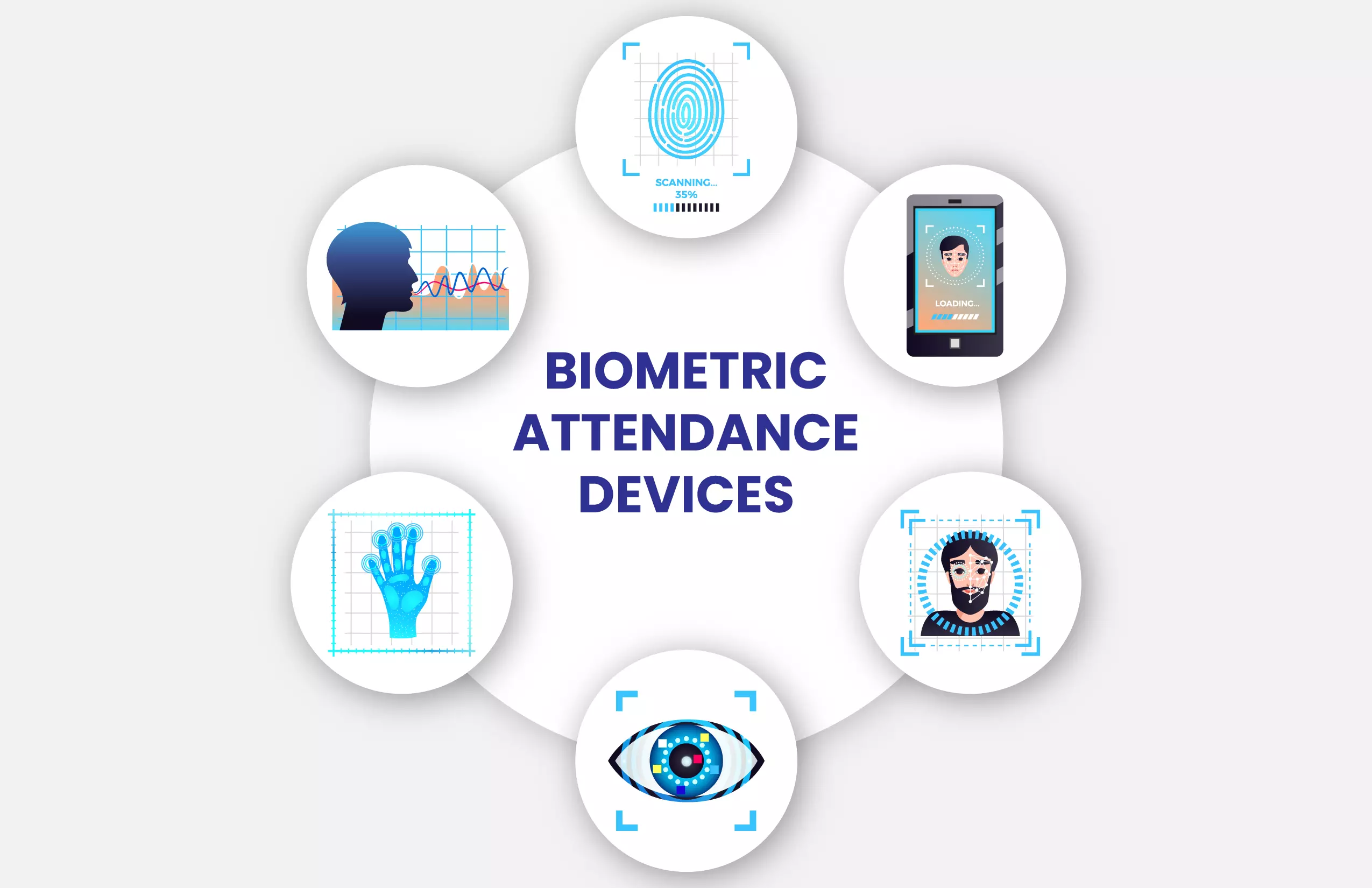
Explore the latest biometric technology in 2025 — from advanced face recognition and gesture control to brain-computer interfaces. What’s changing and what it means for us.
Introduction
Biometric technology has come a long way from fingerprint sensors and Face ID. In 2025, it is entering a new era — one where gesture-based interfaces, brain-computer links, and continuous authentication are becoming real. This blog explores how biometric tech is advancing, highlights key breakthroughs, and explains what the future may hold for developers, businesses, and everyday users.
What’s New in Biometrics for 2025?
-
Multimodal & continuous authentication: Biometric systems no longer rely on a single factor (like a face). They incorporate voice, gesture, brainwaves, and behaviour for stronger security.
-
Brain-Computer Interfaces (BCIs) entering the scene: From assisting people with paralysis to potential consumer applications, BCIs are moving from labs toward real-world use.
-
Wearable and near-invisible sensors: New micro-scale sensors that fit under hair follicles or in wearable form are making brain-wave capture possible in everyday settings.
-
Ethics, privacy & regulation focus: With more intimate data being collected (e.g., brain signals), privacy, consent and ethical frameworks are becoming critical.
Key Advances & Use-Cases
1. Advanced Face & Gesture Recognition
Biometrics in 2025 is integrating smarter vision systems — facial recognition combined with gesture and voice to authenticate users seamlessly. For example, some new interfaces use gesture + voice control layered with biometric verification. ID Tech
2. Brainwave Biometrics & BCI Authentication
Research shows that brainwave-based biometrics are becoming more accurate and feasible. A 2025 study found deep-learning approaches cut error rates significantly in large brainwave datasets. arXiv These technologies open possibilities like unlocking devices via thought or continuous authentication without visible input.
3. Brain-Computer Interface Devices for Direct Interaction
Companies such as Neuralink and Paradromics are moving forward with human trials of brain implants that translate brain signals into commands for external devices. WIRED+1 This isn’t just about medical use anymore — the underlying tech will eventually influence consumer tech too.
4. Wearables & Implants with Biometric Functions
New wearables integrate EEG, gesture sensing, and other modalities into fabric, headsets or even implants. Smart textiles and miniaturised implants are turning sci-fi into real devices. alphabaydarknet.com+1
5. Security & User Experience Enhancements
Biometric systems are now more than access control—they monitor for signs of fraud (deep-fakes), manage continuous authentication, and integrate with IoT ecosystems. A 2025 example is an AI-powered facial recognition system deployed in stadium access systems for real-time security.
Implications for Developers & Businesses
-
Design for multiple modalities: If you’re building apps or devices, think beyond fingerprint and face. Gesture, voice, brainwave and behaviour are relevant.
-
Privacy by design is essential: Collecting such sensitive biometric data means compliance with strong data protection, transparency and ethical use.
-
New markets emerging: Health, accessibility, gaming, AR/VR and security will all benefit from advanced biometrics and BCIs.
-
Collaboration across fields: Developers will need to work with neuroscientists, hardware engineers, and UX researchers to build next-gen biometrics.
Challenges & Ethical Considerations
-
Data security & misuse: Brainwave data and continuous biometric monitoring raise concerns about consent and misuse.
-
Invasiveness and accessibility: Implants and high-precision sensors may remain costly and invasive for some time.
-
Standardisation and regulation lag: While technology races ahead, law and global standards around BCIs and biometrics are still catching up.
-
User acceptance & trust: People may hesitate to adopt highly intimate biometric systems (especially brain-based ones) until trust is built.
Conclusion — Why 2025 Matters for Biometrics
In 2025, biometric technology is not just about unlocking phones with your face—it's about understanding you, adapting to you, and even reading your intent. From seamless gesture interfaces to brain-computer links, the boundary between you and your devices is getting thinner. As a developer, business or user, this means one thing: prepare for a world where interaction becomes more intuitive and invisible. Whether you’re working on wearable tech, access systems or immersive experiences, biometrics will be at the heart of that transformation.
🔗 Stay Connected
👉 Which biometric advance are you most excited about—gesture authentication, brainwave logins or something else? Share your thoughts in the comments below!💡 Want more deep-dives on tech trends and tool walkthroughs? Check out our YouTube Channel 🎥 for video guides and follow us on LinkedIn 💼 for weekly insights.


Comments
Post a Comment